
Potting Soil
Coconut Coir for Potting Soil: Why Gardeners Are Switching to Coir
Coconut coir has become one of the most popular ingredients in modern potting soil. Gardeners across the UK are increasingly choosing coir as a peat-free alternative because it improves water retention, aeration, and root health.
Made from the natural fibre of coconut husks, coir is a renewable growing medium that works well for houseplants, vegetables, flowers, and container gardening.
If you’re looking to improve your potting mix while gardening more sustainably, coconut coir is one of the best soil ingredients available.
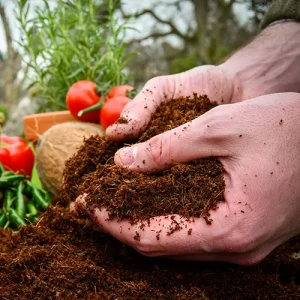
What Is Coconut Coir?
Coconut coir is a natural fibre extracted from the outer husk of coconuts. After coconuts are harvested for food and oil, the husks are processed into fibres that can be used for horticulture.
The material is washed, aged, and compressed into blocks that expands when water is added. Once hydrated, it forms a light, fluffy growing medium ideal for potting soil.
Because coir is a by-product of the coconut industry, it makes use of materials that would otherwise go to waste.
Why Coconut Coir Is Good for Potting Soil
Coconut coir offers several advantages that make it ideal for potting soil and container gardening.
Excellent Water Retention
One of the biggest benefits of coconut coir is its ability to hold water while still allowing excess moisture to drain away.
Coir can retain up to 8–10 times its weight in water, helping plants stay hydrated for longer.
This makes coir potting mixes especially useful for:
- Houseplants
- Hanging baskets
- Greenhouse plants
- Raised beds
Plants grown in coir tend to dry out more slowly than those grown in traditional soil mixes.
Improved Drainage and Root Aeration
Healthy plant roots need both moisture and oxygen. Coconut coir provides the perfect balance.
The fibrous structure creates natural air pockets that allow oxygen to reach plant roots while preventing the soil from becoming compacted.
Better aeration helps prevent common problems such as:
- Root rot
- Waterlogged soil
- Poor root development
This is why coconut coir is widely used in professional horticulture and hydroponics.
A Sustainable Alternative to Peat Compost
Traditional potting compost often contains peat, which is harvested from peat bogs. Peatlands store large amounts of carbon and support unique ecosystems.
Because of the environmental impact of peat extraction, gardeners are increasingly switching to peat-free potting soil made with coconut coir.
Benefits of coir over peat include:
- Renewable and sustainable material
- Made from coconut industry by-products
- Reduces environmental damage from peat harvesting
- Biodegradable and natural
For environmentally conscious gardeners, coir is one of the best peat alternatives available.
Encourages Strong Root Growth
Plants grown in coconut coir often develop stronger root systems.
The loose, airy texture allows roots to spread easily through the growing medium, encouraging faster establishment and better nutrient uptake.
Healthy root development leads to:
- Stronger plants
- Faster growth
- Better yields in vegetables and herbs
This makes coir an excellent ingredient for both seed starting and mature plants.
Clean and Low in Soil-Borne Diseases
Coconut coir is typically washed and processed before being sold as compost.
This creates a relatively clean growing medium, reducing the risk of soil-borne pests, fungal diseases, and weed seeds that can sometimes occur in garden soil.
Because of this, coir is commonly used for:
- Seed starting
- Propagation mixes
- Indoor plant potting soil
How Coconut Coir Is Used in Potting Soil
Coconut coir can be used on its own or mixed with other ingredients to create high-quality potting soil.
Common coir potting mixes include combinations of:
- Coconut coir
- Perlite or pumice (for extra drainage)
- Compost or worm castings (for nutrients)
- Sand or bark (for structure)
These blends create a balanced potting soil that supports healthy plant growth.
Plants That Grow Well in Coconut Coir Potting Soil
Coconut coir is suitable for a wide variety of plants, including:
- Indoor houseplants
- Tomatoes and vegetables
- Herbs such as basil and parsley
- Flowering plants and bedding plants
- Seedlings and young plants
- Hanging baskets and container plants
Because it balances moisture retention and drainage, coir works well for most types of container gardening.
| Feature | Coconut Coir | Peat |
| Sustainability | Renewable by-product | Non-renewable |
| Water Retention | Excellent | Excellent |
| Aeration | Very good | Moderate |
| Environmental Impact | Low | High |
| Availability | Increasing | Declining due to regulations |
Coconut Coir vs Peat: What’s the Difference?
As peat use declines across the UK, coconut coir is quickly becoming the preferred base material for peat-free potting compost.
Frequently Asked Questions About Coconut Coir
Is coconut coir better than peat?
Coconut coir offers similar water retention to peat but is far more sustainable. For gardeners looking to reduce their environmental impact, coir is generally considered the better option.
Can plants grow in 100% coconut coir?
Yes, many plants can grow successfully in pure coir, especially when fertiliser is added. However, many gardeners prefer mixing it with compost or nutrients for best results.
Does coconut coir contain nutrients?
Coconut coir contains very few nutrients on its own. This allows gardeners to control plant feeding with fertilisers or compost.
Why Gardeners Are Switching to Coconut Coir
Coconut coir combines excellent growing performance with sustainability, making it one of the best ingredients for modern potting soil.
Its ability to retain moisture, improve aeration, and support healthy roots makes it ideal for container gardening and houseplants.
As peat-free gardening becomes the standard across the UK, coconut coir is set to play a major role in the future of sustainable gardening.